




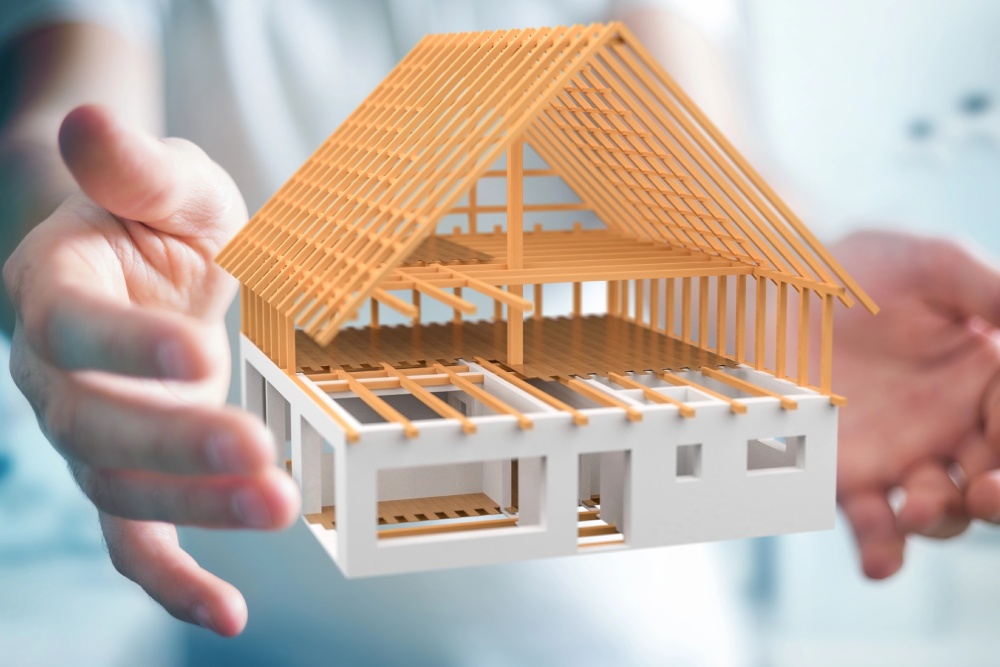
For homeowners stuck mid-renovation, an unfinished house can quickly turn from an investment into a burden. Projects often stall due to budget limitations, contractor delays, permit issues, or changing personal circumstances.
As work slows or stops entirely, carrying costs, property taxes, and stress continue to build. Selling an unfinished house offers a practical way to regain control, recover invested funds, and move forward without committing additional time or money to a project that no longer fits your situation.
What are the Challenges of Selling an Unfinished Home?
Selling a home that is still under renovation presents unique challenges that can affect buyer interest, pricing, and timeline, especially in Washington, D.C., Maryland, and Virginia.
Buyer Preferences and Market Realities
Many buyers prefer move-in-ready homes over properties that need significant work. Recent market data shows that homes listed as remodeled sell for about 3.7% more than expected, while fixer-upper or unfinished properties typically sell at a 7.3% discount compared to similar homes. This reflects a growing preference for convenience and finished space among buyers.
While some buyers are willing to take on projects, surveys show that only about 28% of homebuyers choose fixer-uppers, with most preferring homes that do not require major renovations.
Common Obstacles With Unfinished Spaces
- Reduced Buyer Pool: Many traditional homebuyers want turnkey properties and may be discouraged by exposed wiring, unfinished drywall, or incomplete systems.
- Perception of Effort: Even cosmetic issues can signal to buyers that substantial time and money are needed, reducing competitive offers.
- Longer Marketing Times: Unfinished homes often sit on the market longer than completed homes, as buyers factor in renovation costs and timelines.
Despite these challenges, selling an unfinished property is still possible and often practical, especially when working with dependable homebuyers who specialize in evaluating a home’s underlying potential rather than relying solely on finished aesthetics.
These buyers understand that many homeowners pause renovations due to budget constraints, time limitations, or personal circumstances, and they make offers accordingly.
Why Selling As-Is Makes Sense
Selling an unfinished house as-is is often the most practical decision for homeowners who want to avoid further financial strain. Completing renovations can quickly escalate in cost. Industry data shows that over 70% of home renovation projects exceed their original budget, often due to labor shortages, material price fluctuations, or unexpected structural issues. For many sellers, continuing work simply is not a sound investment.
By choosing to sell as-is, homeowners avoid additional expenses tied to permits, contractor delays, and rising material costs. Responsibility for completing the renovation shifts to buyers who are equipped to manage construction efficiently. This is especially beneficial in DC, Maryland, and Virginia, where renovation timelines can stretch due to local permitting requirements and contractor demand.
As-is sales also support faster timelines. Investors and professional homebuyers focus on a property’s structure, layout, and resale potential rather than cosmetic finishes. Because they purchase homes in their current condition, offers are often made quickly and without repair contingencies. This can significantly reduce holding costs such as property taxes, insurance, utilities, and loan payments.
Ultimately, selling as-is allows homeowners to regain control. Instead of pouring more money and energy into an unfinished project, they can move forward with clarity, reduce ongoing stress, and still receive a fair offer based on the home’s real market potential.
Pricing Your Unfinished Home
Pricing an unfinished home correctly is critical to attracting serious buyers and avoiding unnecessary delays. Properties with incomplete renovations are typically valued lower than move-in-ready homes because buyers factor in construction costs, time, and risk. Industry data shows that unfinished or partially renovated homes often sell for 10–30% less than comparable finished properties, depending on the scope of remaining work and local market conditions.
To establish a realistic price, sellers should review comparable sales in their area and adjust for renovation gaps such as incomplete kitchens, bathrooms, flooring, or mechanical systems. In markets like Washington, D.C., Maryland, and Virginia, labor costs and permitting timelines can significantly influence buyer calculations, making accurate pricing even more important.
Working with experienced local cash buyers can simplify this step. Dependable homebuyers evaluate both the current condition and the property’s long-term potential, then present offers that reflect real market demand rather than idealized outcomes. Their assessments account for renovation expenses, holding costs, and resale trends, helping sellers avoid guesswork.
Marketing Strategies for Unfinished Homes
While traditional listing platforms can generate visibility, unfinished properties often sell faster when marketed directly to investors and cash buyers. These buyers actively seek renovation projects and are equipped to evaluate incomplete homes without hesitation. Doing your research for an established property-buying company is an effective channel for reaching this audience.
Successful marketing focuses on transparency and potential. Clearly outline what has been completed and what remains unfinished. Highlight strengths such as layout flexibility, square footage, structural integrity, and completed upgrades like electrical, plumbing, roofing, or framing. Presenting the full scope of the project helps buyers assess value accurately and submit informed offers.
Honest marketing reduces friction. When buyers understand the condition upfront, negotiations move faster and are less likely to stall due to unexpected discoveries. This clarity builds trust and minimizes back-and-forth delays.
Negotiating Offers
When selling an unfinished home, negotiations differ from standard transactions. Buyers may account for renovation costs in their offers. Sellers should evaluate not just the amount offered but also the speed and reliability of the buyer.
Cash buyers are often preferred in these situations. They typically close quickly and accept properties as-is. Focusing on dependable homebuyers helps make sure that the transaction proceeds without unexpected contingencies or delays.
Sellers can also consider structuring agreements with flexible closing dates to accommodate personal circumstances. This promotes a smooth transition while allowing them to free themselves from renovation obligations.
The Advantages of Selling to Cash Buyers
For homeowners with unfinished properties, selling to cash buyers is often the most efficient and predictable option. These buyers are experienced in evaluating renovation projects and focus on a property’s structure and long-term potential rather than cosmetic completion.
Key advantages include:
- Faster timelines: Cash buyers can often present offers within days and close quickly, avoiding the extended listing periods, repeated showings, and prolonged negotiations common in traditional sales.
- As-is purchases: Sellers are not required to complete renovations, make repairs, or invest additional money into an already stalled project.
- Certainty of closing: Without lender approvals, appraisals, or financing contingencies, the risk of last-minute delays or cancellations is significantly reduced.
- Flexible transitions: Many cash buyers can accommodate seller timelines, which is especially helpful for homeowners planning relocation, purchasing another property, or coordinating a move.
By prioritizing transparency and straightforward terms, cash buyers create confidence that the transaction will move forward smoothly without hidden conditions or unexpected obstacles.
Reducing Stress During the Sale
Selling an unfinished home can be emotionally draining, particularly when time, money, and effort have already been invested. Working with experienced buyers helps ease this burden by removing unnecessary complexity from the process.
Professional buyers understand the realities of incomplete renovations and approach transactions with flexibility and respect. Clear communication, prompt responses, and honest evaluation of the property all contribute to a smoother experience.
Instead of managing ongoing repairs, coordinating contractors, or fielding uncertain buyer inquiries, sellers can focus on their next steps. For homeowners balancing work, family responsibilities, relocation plans, or multiple properties, this simplified approach provides peace of mind and allows them to move forward without lingering stress.
Why Quick Homebuyers Helps
Quick Homebuyers specializes in purchasing homes in any condition, including unfinished renovation projects. We provide straightforward cash offers that eliminate the need for repairs, contractors, or additional investment, allowing homeowners to move forward without delays. In many cases, we can close in as few as three days.
Our approach is built on transparency, fairness, and flexibility. Every offer reflects the property’s current condition and realistic market potential. Sellers may also benefit from post-settlement occupancy, allowing them to remain in the home after closing at no cost while plans are finalized.
For qualifying sellers, we offer a complimentary relocation package through our partnership with ABLE Moving, covering packing materials and moving costs. We also assist with finding a new place to live, including rental support when credit challenges exist.
Serving homeowners across Washington, D.C., Maryland, and Virginia, we handle the complexities so you can sell with confidence and clarity.
If you are considering selling an unfinished house and want to avoid delays or added costs, contact Quick Homebuyers today. We are ready to help you receive a fair offer and complete your sale.
An unfinished renovation is one of many conditions we buy as-is. If your home has fire or storm damage instead, our article on selling a fire-damaged house fast covers that situation, and our house repairs resource page explains our full as-is process at Quick Homebuyers.