




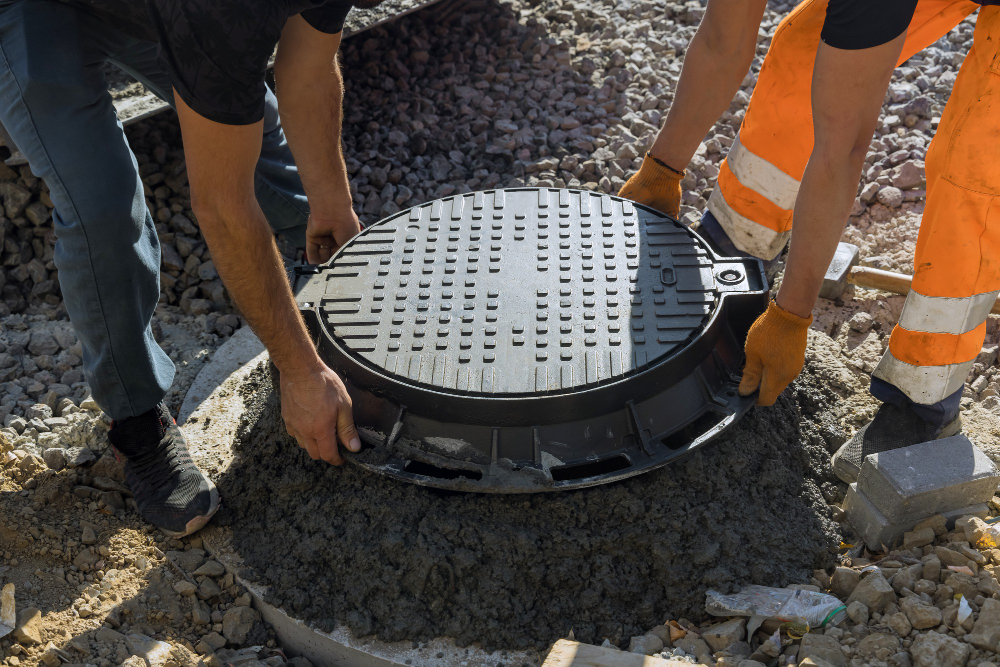
A septic failure often shows up at the worst time. You notice odors, slow drains, or soggy patches in the yard just as you prepare for a sale. Buyers hesitate, inspectors flag concerns, and lenders question the property’s condition. Many homeowners feel stuck between expensive repairs and a delayed listing.
This guide explains practical steps for selling a house with septic tank problems without draining your savings or losing valuable time in the process.
Why Septic Tank Problems Complicate a Home Sale
A septic system manages household wastewater through the tank and drain field. When either fails, health concerns and environmental risks come into play. Inspectors often note high liquid levels, residue marks inside the tank, or saturated soil in the leach field. These signs raise red flags for buyers and mortgage companies.
Most traditional buyers rely on financing. Lenders frequently require a satisfactory septic inspection before approving a loan. A failed result can pause or cancel a sale. This is why many sellers begin searching for ways to sell a house fast without taking on heavy repair costs.
Signs Your Septic System May Be Failing
You may already suspect trouble if you notice:
- Slow flushing toilets and drains
- Gurgling sounds from plumbing fixtures
- Standing water near the drain field
- Persistent unpleasant odors outdoors
- Sewage backup inside the home
- Bright, unusually lush grass growing over the drain field area
- Toilets or drains backing up after heavy water use, such as laundry or showers
- Nitrate contamination or bacteria detected in nearby well water tests
These symptoms often appear during home inspections as well. Once documented, they become part of the buyer’s negotiation process. For homeowners already selling a house in disrepair, septic issues add another layer of difficulty.
Inspection Reports and What They Reveal
During a home inspection, professionals check the septic tank’s liquid level. If it sits above the outlet pipe, the drain field absorbs wastewater too slowly. Residue lines inside the tank may also show past overflow problems.
Inspectors try to assess the leach field by probing the soil. However, not all systems have clear diagrams. Some areas remain hard to access without excavation. This makes septic evaluations somewhat subjective, which often leads to uncertainty for buyers and sellers alike.
A detailed report may recommend further testing, deep soil pits, or consultation with a licensed septic contractor. At this stage, many homeowners start reviewing a checklist for selling a house to decide what steps make financial sense.
Do You Need to Repair the Septic System Before Selling?
The answer depends on local regulations, your timeline, and your budget. Some jurisdictions require repairs if the system creates a health nuisance, such as wastewater surfacing or backing into the home. In other cases, there is no legal demand to fix a system that does not meet current code standards.
Septic replacement can cost thousands of dollars and damage landscaping during installation. Sellers must weigh repair expenses against potential increases in sale price. For many, the numbers do not justify the effort, especially when time matters.
Disclosure Laws and Your Legal Responsibility
Most states require homeowners to disclose known septic problems to buyers. Transparency protects you from legal disputes after closing. Hiding a failure can lead to lawsuits and financial penalties.
Disclosure does not mean you must repair the issue. It simply means the buyer enters the transaction fully informed. This is another reason homeowners look toward all-cash homebuyers in Maryland who accept properties in current condition without inspection delays.
How Septic Problems Affect Traditional Buyers
A buyer using financing must satisfy lender conditions. A failed septic inspection can cause:
- Delayed closings
- Renegotiated offers
- Repair demands before closing
- Loan denial
Buyers unfamiliar with septic systems often feel nervous about future costs. Even if they like the home, uncertainty leads to hesitation or withdrawal from the deal.
Options for Selling a House With Septic Tank Problems
You generally have three paths:
- Repair or replace the system before listing
- List the home at a reduced price and disclose the issue
- Sell the home as-is to a cash buyer
The first option takes time and money. The second still involves inspections and negotiations. The third option allows you to get cash for your home quickly without dealing with contractors, permits, or landscaping damage.
Why Cash Buyers Simplify the Process
Cash buyers do not rely on mortgage approvals. They purchase homes in current condition, including those selling houses with septic tank problems. There are no inspection contingencies, repair requests, or drawn-out negotiations.
This route works well for homeowners facing foreclosure, relocation, inherited property challenges, or tight financial situations. It removes uncertainty and shortens the timeline from months to days.
Financial Arrangements When Repairs Cannot Happen Before Sale
In some transactions, buyers and sellers set up escrow accounts to hold funds for future septic repairs. This arrangement allows the sale to close while reserving money for the work later. However, this still requires negotiation, legal coordination, and buyer trust.
Many homeowners prefer avoiding this complexity by choosing a direct cash sale instead.
Practical Steps to Move Forward
If you plan to sell, consider these steps:
- Review local health and property transfer regulations
- Get a professional septic evaluation for clarity
- Decide if repair costs make financial sense
- Prepare disclosure documents honestly
- Compare traditional listing against cash sale options
These actions help you make a confident decision without unnecessary delays.
You Can Still Sell Without Fixing Everything
Septic problems feel overwhelming, but they do not block a sale. Homeowners across the region successfully close deals every day without replacing failing systems. The key lies in choosing the right selling method for your situation, timeline, and budget.
When speed, simplicity, and financial relief matter most, alternatives to traditional listings become very attractive.
Get a Fair Cash Offer Without Septic Repairs
At Quick Homebuyers, we buy houses in any condition across DC, Maryland, and Virginia. Septic issues do not slow us down. There are no agent fees, no contingencies, and closings can happen in as little as three days.
If you want a simple path forward, contact us today to get your cash offer and move on with confidence.
Looking for cash home buyers Virginia can trust? Quick Homebuyers has been buying houses as-is since 1986.